What if I have a low cervix?
If you’ve Googled any sort of feminine health issues, concerns or questions, chances are you’ve heard something about a low cervix or at least the mention of it. Fact of the matter is, nearly all women have a low cervix at some point during their menstrual cycle because that’s just the way the body is designed… and it’s amazing! YOU are amazing. Today we’re chatting about what a low cervix actually is and how it plays a role in your everyday life.
A low cervix during your period is completely normal. Cervical height naturally changes throughout the menstrual cycle due to hormonal shifts. Today we’re chatting about what a low cervix actually is, how to tell if you have one, and what it means for your everyday life, especially if you use a menstrual cup or disc.

What is the cervix?
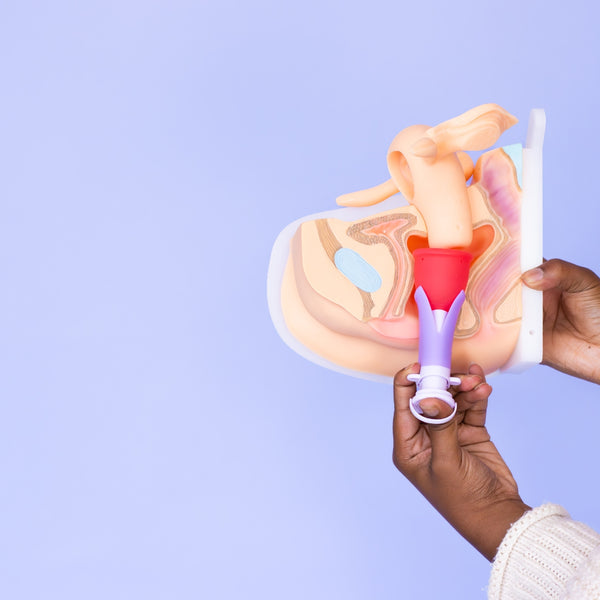
The cervix is a muscle that separates the vagina from the uterus. This muscle moves, it opens and shuts, becomes softer and firmer … all depending on the time of the month! During pregnancy, the cervix is what dilates, allowing the baby to deliver during vaginal delivery.
According to Women’s Health Magazine the cervix changes position and firmness throughout the menstrual cycle in response to hormones. Their blog also helps understand what the cervix is doing throughout your entire menstrual cycle and different stages of life.
How can I find it?
You can locate your cervix by inserting a finger into the vagina (wash your hands first!). If you feel squeamish about checking your cervical position, this is perfectly normal! It’s not something most of us are used to doing, but it will get easier in time. Breathe slowly and try to relax. It may help to squat or put one foot up on the edge of the bathtub. Slowly slide your finger in until you feel the firmer tissue at the top of your vaginal canal. That’s the cervix! You can tell the difference between your vagina and the cervix because, while vaginal tissue is soft and gives way to pressure, the cervix is more firm. It may feel like the tip of your nose.
How do I know if my cervix is low?
Measuring your cervical position is a must! This will help determine what menstrual cup to purchase, it will tell you a lot about the stage of your cycle if you’re tracking it throughout the month, and will also help determine the health and strength of your pelvic floor. Read our tips on how to measure your cervix, and if you still have questions, we made it really easy and created this cervical ruler! Cool, right?

Depending on where you are in your cycle, the position and feel of the cervix can change. If you are ovulating, it may be softer, higher, and more difficult to reach. Someone who is trying to determine and monitor their fertility will find this very helpful. During your period, your cervix is likely lower and firmer to the touch, and the opening is a bit larger to allow the menstrual flow to escape.
Some women also have a cervix that is naturally lower, no matter where they are in their cycle. Having a low cervix does not make you odd, and it doesn’t affect your menstrual cycle or your feminine health. It’s just the way your body is designed.
Can I use a menstrual cup with a low cervix?
Yes! How low your cervix sits during your period varies from woman to woman. However, if you have a low cervix during menstruation, a standard length cup may feel too long or uncomfortable.
This is why choosing the right menstrual cup for a low cervix matters.
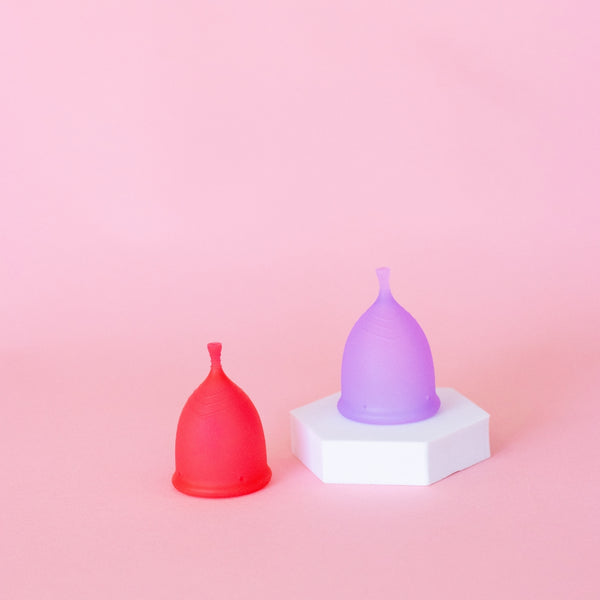
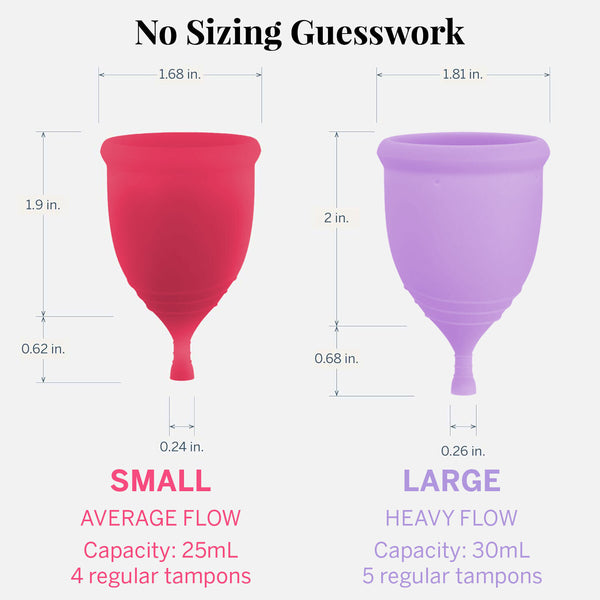
A shorter menstrual cup is often more comfortable and easier to position properly when the cervix sits lower. A properly fitted cup can reduce pressure, improve comfort, and help prevent leaks.
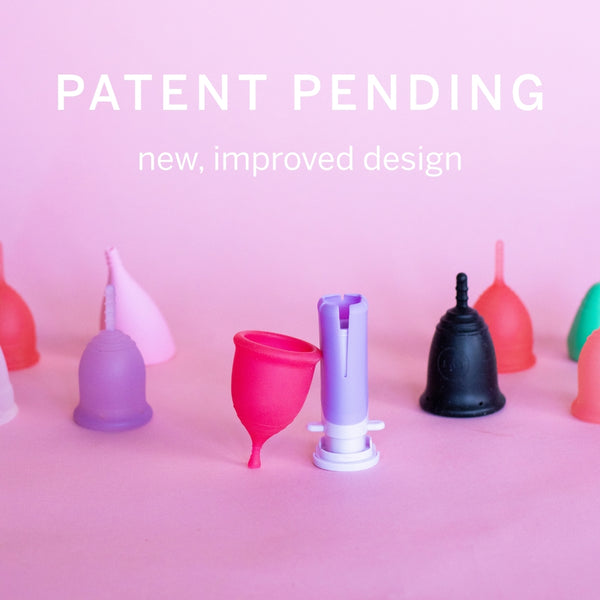
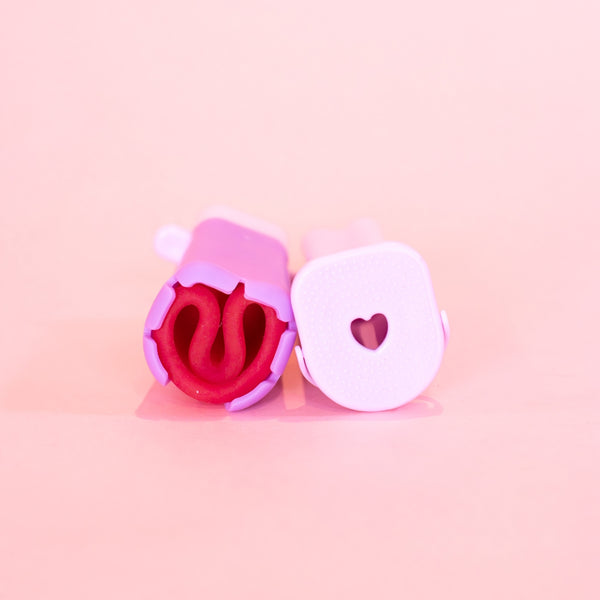
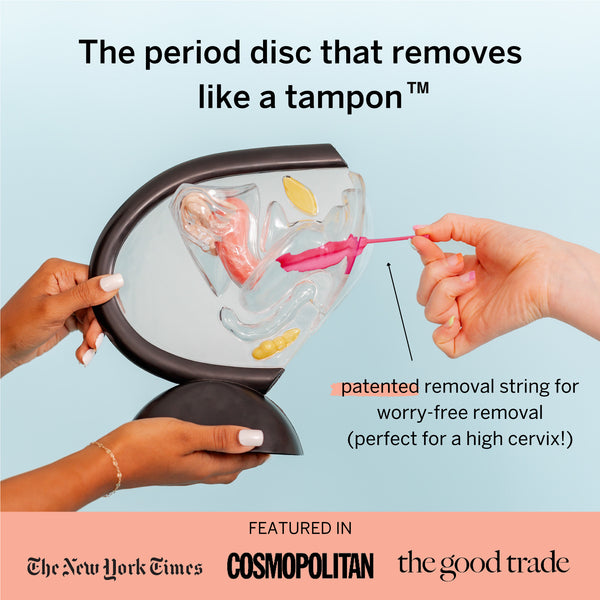
Here at Pixie, we recommend our extra small or small menstrual cup, or our menstrual discs. These options make it easier to get a comfortable fit and typically are the best menstrual cups and discs for a low cervix.
Recommended for you

Does a low cervix mean a prolapsed uterus?
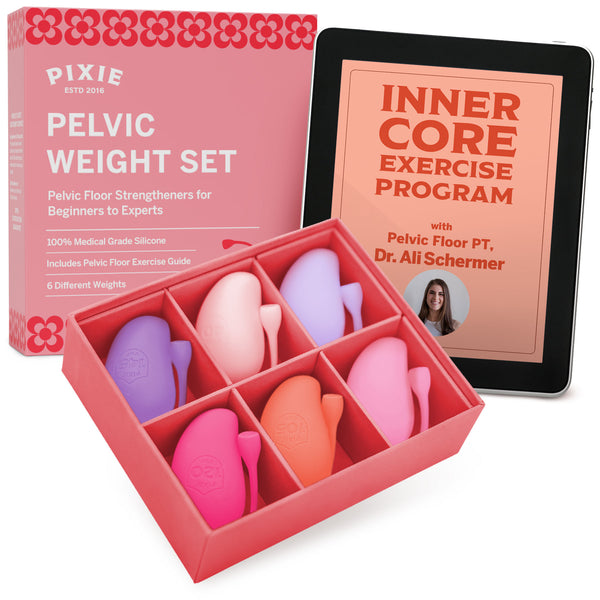
Having a low cervix doesn’t necessarily mean you have a prolapsed uterus. However, if at any point you feel your cervix is alarmingly low or protruding out of the vaginal opening, we urge you to see a physician as soon as possible. A prolapsed uterus is not the end of the world and there are several ways that it can be fixed! Depending on the severity, you could implement some pelvic floor exercises to help firm and strengthen your pelvic floor muscles.
Ready to try a Pixie Cup? Head over to our store to get 10% off your first order!

Our Top Picks For You
-
Period Disc & Applicator Kit
![]()
![Period Disc & Applicator Kit]()
![Period Disc & Applicator Kit]()
![Period Disc & Applicator Kit]()
![Period Disc & Applicator Kit]()
![Period Disc & Applicator Kit]()
![Period Disc & Applicator Kit]()
![Period Disc & Applicator Kit]()
![Period Disc & Applicator Kit]()

- Regular price
- $35
- Sale Price
- Regular price
-
$55 - $35
- Unit price
- per
Sold out -
Reusable Organic Cotton Pads
![]()
![Reusable Organic Cotton Pads]()
![Reusable Organic Cotton Pads]()
![Reusable Organic Cotton Pads]()
![Reusable Organic Cotton Pads]()
![Reusable Organic Cotton Pads]()
![Reusable Organic Cotton Pads]()
![Reusable Organic Cotton Pads]()
![Reusable Organic Cotton Pads]()
![Reusable Organic Cotton Pads]()
![Reusable Organic Cotton Pads]()
![Reusable Organic Cotton Pads]()

- Regular price
- $25
- Sale Price
- Regular price
-
$34 - $25
- Unit price
- per
Sold out -
Disposable Organic Cotton Pads
![]()
![Disposable Organic Cotton Pads]()
![Disposable Organic Cotton Pads]()
![Disposable Organic Cotton Pads]()
![Disposable Organic Cotton Pads]()
![Disposable Organic Cotton Pads]()
![Disposable Organic Cotton Pads]()
![Disposable Organic Cotton Pads]()
![Disposable Organic Cotton Pads]()
![Disposable Organic Cotton Pads]()
![Disposable Organic Cotton Pads]()
![Disposable Organic Cotton Pads]()
![Disposable Organic Cotton Pads]()
![Disposable Organic Cotton Pads]()
![Disposable Organic Cotton Pads]()
![Disposable Organic Cotton Pads]()
![Disposable Organic Cotton Pads]()
![Disposable Organic Cotton Pads]()
![Disposable Organic Cotton Pads]()
![Disposable Organic Cotton Pads]()
![Disposable Organic Cotton Pads]()
![Disposable Organic Cotton Pads]()
![Disposable Organic Cotton Pads]()
![Disposable Organic Cotton Pads]()
![Disposable Organic Cotton Pads]()

- Regular price
- $7
- Sale Price
- Regular price
-
$9 - $7
- Unit price
- per
Sold out -
Combo Disc + Applicator Bundle
![]()
![Combo Disc + Applicator Bundle]()
![Combo Disc + Applicator Bundle]()
![Combo Disc + Applicator Bundle]()
![Combo Disc + Applicator Bundle]()
![Combo Disc + Applicator Bundle]()
![Combo Disc + Applicator Bundle]()
![Combo Disc + Applicator Bundle]()
![Combo Disc + Applicator Bundle]()

- Regular price
- $39
- Sale Price
- Regular price
-
$49 - $39
- Unit price
- per
Sold out